

Table of Contents
- What Determines If Custom Printed Shirts Are Worth It
- Cost Breakdown: Custom Shirts vs. Retail
- DTF vs Screen Printing Durability: Which Lasts Longer?
- Quality Check: Why Fabric and Printing Matter
- Best Custom Apparel for 2026: Trends and Picks
- Small Orders, Big Impact: Group and Event Shirts
- The Verdict: When Custom Shirts Are a Smart Investment
- Conclusion: Wear Your Story
- Frequently Asked Questions
Last Updated: September 7, 2026
Custom printed shirts are absolutely worth it when you want apparel that reflects your personality, celebrates your people, or builds a brand people remember. The real question is whether you're ordering them the right way. This guide from Totally Terrific Tshirts breaks down costs, quality factors, and printing methods so you can decide with confidence.
Most people assume custom shirts are expensive or complicated, true only if you're ordering poorly made blanks from a random source. When you understand what drives quality, a custom shirt becomes one of the smartest purchases for self-expression, gifting, or group events.
What Determines If Custom Printed Shirts Are Worth It
Custom printed shirts deliver value when they solve a problem off-the-shelf options can't. For nurses, teachers, and first responders, a shirt that names your profession creates instant connection. For Christian and Jewish communities, faith-based designs turn a simple tee into a conversation starter.
The worth calculation comes down to how often you'll wear it, what it says about you, and how long it lasts. A quality shirt you wear weekly for years costs less per wear than a cheap one that falls apart after three washes.
Cost Breakdown: Custom Shirts vs. Retail
Retail shirts cost less but offer generic designs anyone can buy. Custom printed shirts give you something nobody else has.
Here's what you're actually paying for with custom apparel:
- Design uniqueness: No one else at the event will have your exact shirt
- Print quality: DTG and DTF methods produce vibrant, detailed artwork
- Fabric selection: Ring-spun cotton feels softer and holds its shape better
- Conversation value: A design that reflects your personality does marketing for you
When you factor in that a custom shirt doubles as a gift, a uniform, or a memory keepsake, the price difference shrinks considerably.
Comparing DTG, DTF, and Screen Printing Prices
| Printing Method | Best For | Order Size | Durability |
|---|---|---|---|
| Direct-to-Garment (DTG) | Detailed, colorful designs | Small batches (1-20) | Excellent for soft fabrics |
| Direct-to-Film (DTF) | Bold graphics, custom cuts | Flexible quantities | Very good wash durability |
| Screen Printing | Simple logos, text | Large bulk orders (50+) | Great but requires high minimums |
For most individual buyers and small groups, DTG printing offers a good balance of quality and flexibility. It handles complex designs with many colors beautifully, which is why Totally Terrific Tshirts uses it for their conversation-starting collections.
DTF vs Screen Printing Durability: Which Lasts Longer?
Most articles tell you one method 'lasts longer' without explaining the mechanics or giving you a way to test it yourself. Let's get specific about what happens at the fiber level and what you can realistically expect.
The Real Mechanics of Print Failure
Screen printing pushes plastisol ink through a mesh stencil, laying down a thick layer that sits on top of the fabric (the FDA). That thickness is why it survives industrial washing, but it's also why it eventually cracks. The ink layer is rigid. Every time the cotton stretches, the ink layer bends. Over dozens of washes, micro-fractures form, and you see those classic spider-web cracks in the design.
Direct-to-Film (DTF) works differently. A powdered adhesive is melted onto the back of a printed film, then heat-pressed into the shirt. The adhesive bonds into the fabric's yarn structure rather than sitting purely on the surface. This is why DTF prints feel softer to the touch and flex with the cotton instead of fighting against it.
Direct-to-Garment (DTG) printing goes a step further. The water-based ink is absorbed directly into the fibers, almost like a dye. There's no raised layer to crack. The trade-off is that DTG is more sensitive to the quality of the base fabric, a rough, low-grade cotton will absorb the ink unevenly and fade faster.
What Wash Testing Actually Shows
Independent garment decorators who run side-by-side wash tests often find a similar pattern. After 30 home laundry cycles, screen-printed designs typically show minor edge wear but maintain color saturation. DTF prints at the same mark usually show slight fading in high-friction areas but no cracking. DTG prints on quality ring-spun cotton often look nearly identical to day one at 30 washes, though they may show gradual color softening by wash 50.
The bigger variable isn't the method, it's the garment. A cheap blank shirt with loose, low-quality cotton will pill and distort, pulling the print out of shape regardless of whether it's DTG, DTF, or screen printed. A premium ring-spun cotton shirt holds its structure, which keeps the print flat and intact.
The Friction Test You Can Do at Home
Before you commit to a bulk order, order a single sample shirt and run this simple test. Wash it five times inside out in cold water, then dry it on high heat. High heat is the stress test. After five cycles, check three things:
- Cracking: Bend the printed area sharply. If you see white lines in the crease, the ink layer is already fracturing.
- Fading: Compare the printed area to an unprinted section of the same color. If the print looks washed out, the ink wasn't properly cured or bonded.
- Edge lifting: Run your fingernail along the edge of the design. If it catches or peels, the adhesive or ink bond is weak.
A quality print, regardless of method, should pass all three checks after five hot washes. If it fails, that shirt isn't worth your money, no matter how good the design looks in the product photo.
Care Instructions That Extend Print Life
The #1 killer of custom printed shirts is the dryer, not the printing method. High heat breaks down DTF adhesive and accelerates cracking in screen printing. The fix is simple and costs you nothing.
For nurses, teachers, and retirees who wear their favorite shirts weekly, this habit can double the print's lifespan. A shirt that lasts twice as long halves your cost per wear, that's the math that makes custom shirts genuinely worth it.
Why This Matters for Your Purchase Decision
For a small batch of five or ten shirts, the durability difference between DTF and screen printing is negligible for normal wear, both will outlast the shirt's useful life with basic care. The real question only matters for commercial settings where shirts face industrial washing with harsh detergents and high heat.
For personal wear or group events, DTG and DTF on quality ring-spun cotton can be a good choice, softer, more comfortable, and won't crack into that stiff, plasticky feel screen prints develop.
At Totally Terrific Tshirts, we use DTG printing specifically because it produces the softest hand-feel and the most vibrant detail for the conversation-starting designs our customers love, whether that's a funny nurse joke, a patriotic tribute, or a faith-based message that sparks a meaningful dialogue.
Quality Check: Why Fabric and Printing Matter
The fabric is the foundation of any great custom shirt. A brilliant design printed on a scratchy, thin shirt that loses its shape after one wash is wasted money. Quality blanks use ring-spun cotton, which creates a softer, stronger yarn that feels better against your skin and holds up to repeated washing (ncsu.edu).
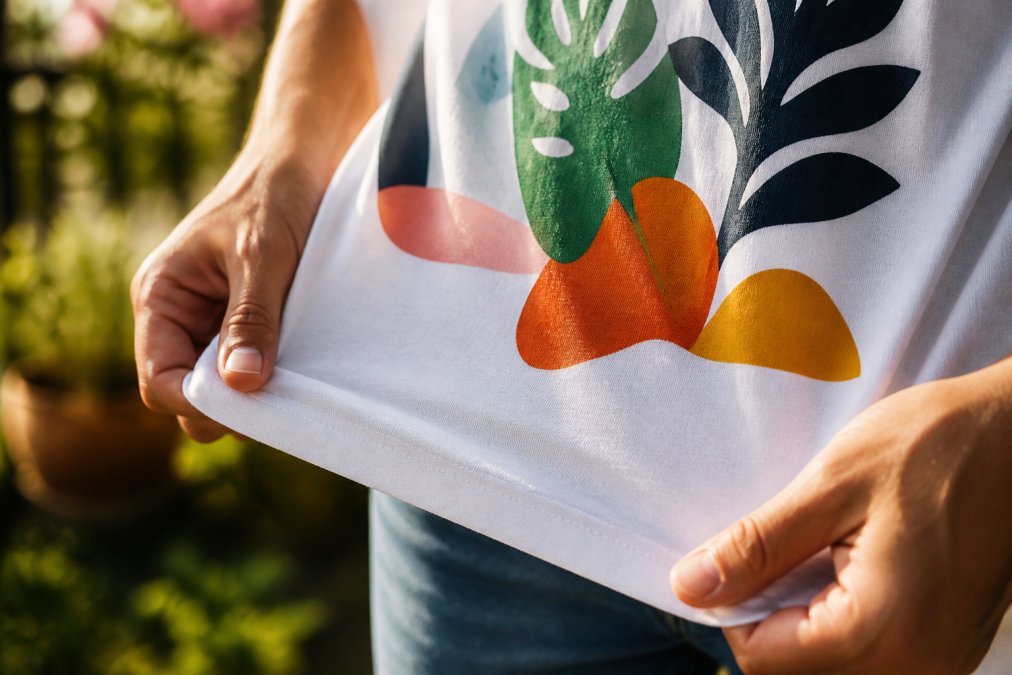
When you're evaluating custom printed shirts, check the garment weight and construction details. A seamless double-needle collar maintains its shape instead of stretching into a floppy neckline (textiles.ncsu.edu). A tubular fit minimizes twisting so your design stays centered. Tear-away labels mean no scratchy tags irritating your neck.
At Totally Terrific Tshirts, every shirt uses these quality markers. The solid colors are made from 100% ring-spun cotton, while Sport Grey uses a 90% cotton blend for that classic heathered look.
Best Custom Apparel for 2026: Trends and Picks
The best custom apparel for 2026 leans into authenticity and humor. People want shirts that make others laugh, think, or feel understood. Designs like "That's a terrible idea" or "I got this" capture the dry humor that resonates across friend groups.

For faith communities, pieces like the "Armour of God Squad" and "Hand to Hand Combat/Power of Prayer" shirts turn spiritual identity into wearable testimony. These designs work because they speak to real experiences and shared values.
Totally Terrific Tshirts specializes in this kind of intentional apparel. Each design is crafted to spark meaningful conversations, whether you're a nurse showing off your profession's dark humor, a teacher celebrating surviving another year, or a country music lover wearing your favorite lyrics.
Small Orders, Big Impact: Group and Event Shirts
Worried about minimum order quantities? You don't need to order fifty shirts to get custom apparel. Small-batch printing makes five matching shirts for a friend group or family reunion completely practical, but understanding the economics helps you decide what's worth it.
The Real Cost Structure of Small Batches
The per-shirt price doesn't always drop linearly as you order more. It can drop in steps. Understanding those steps can help you decide what's worth it.
For custom print shops using DTG printing, the cost structure can vary:
- 1-5 shirts: May have a higher per-unit cost. The shop has to set up the design file, test print, and run the machine for a small batch.
- 6-15 shirts: Setup costs may be spread across enough units that the per-shirt price drops, and many shops handle small batches without minimums.
- 16-30 shirts: Per-unit pricing may start to stabilize for DTG.
- 50+ shirts: Screen printing can become economically viable. The screen setup fee may be spread across enough shirts that the lower per-print cost is appealing.
The Break-Even Point Nobody Talks About
A DTG shirt for a batch of five may cost more per shirt than a batch of twenty, but the total for twenty is significantly higher. Screen printing for a simple one-color design might cost less per shirt at a 50-shirt minimum, plus a setup fee, but you might have extra shirts you may never wear.
For many groups, such as a nursing cohort, a family reunion, or a church small group, DTG small-batch printing can be a good value because you're not paying for shirts you don't need.
When Small Batches Make the Most Sense
Group shirts create belonging. When a nursing cohort wears matching shirts at graduation or a family reunion has everyone in the same shirt, the shared experience becomes part of the memory, a symbol of connection long after the event ends.
Small batches are particularly smart for:
- Profession-themed groups: Nurses, teachers, and first responders who want a shirt that names their calling without ordering a full department's worth.
- Faith communities: Jewish and Christian groups planning a retreat, a holiday celebration, or a service project where a coordinated shirt builds unity.
- Retirement and milestone celebrations: A retiree's farewell party with matching shirts beats a generic gift any day.
- Patriotic events: July 4th cookouts, Memorial Day remembrances, or veteran reunions where a shared design honors service.
The Hidden Costs to Watch For
Three red flags to avoid:
- 'Free setup' that's baked into a higher per-shirt price: Compare the all-in cost, not the advertised per-shirt price.
- Minimums disguised as 'bulk discounts': A shop that charges much more per shirt for 5 shirts than for 50 isn't giving you a deal, they're penalizing you for not over-ordering.
- No sample option: A quality shop should let you order a single sample before committing to a group order. If they won't, that's a sign they don't stand behind their product.
The Smart Ordering Strategy
For most groups, the winning approach is to order one sample shirt first to verify quality, fit, and print appearance. Once approved, place your small-batch order with confidence, the extra shipping cost eliminates the risk of disappointing shirts.
At Totally Terrific Tshirts, we welcome small orders. Our DTG printing process means no minimum and no setup fee, you pay for the shirts you actually want. Whether you're coordinating matching shirts for a country music festival crew, a church retreat, or a family reunion, we've got the designs and quality to make your event memorable.
Browse our collections for nurses, teachers, retirees, country music lovers, Jewish and Christian faith communities, patriotic celebrations, and funny fun designs, all available in small batches that fit your group's actual size.
The Verdict: When Custom Shirts Are a Smart Investment
Custom printed shirts are a smart investment when you want to express identity, build team spirit, or give a gift that means something. They're worth it when the design reflects who you are or what you stand for.
Skipping custom shirts makes sense only if you're happy with generic designs everyone else owns. If you want apparel that starts conversations, connects you with your community, and holds up wash after wash, custom is the clear winner.
The sweet spot is ordering from a brand that prioritizes both print quality and design intention. Totally Terrific Tshirts combines soft ring-spun cotton with conversation-sparking designs, and free shipping on orders over $75 makes group orders even more practical.
Conclusion: Wear Your Story
Your clothes already say something about you. Custom printed shirts let you choose exactly what that message is. Whether you're celebrating your faith, honoring your profession, or making people laugh, the right shirt turns everyday moments into opportunities for connection.
Browse the custom printed shirts collection at totallyterrifictshirts.com to find designs for nurses, teachers, veterans, country music fans, and everyone who loves a good conversation starter. Your story deserves to be worn.
Frequently Asked Questions
How much should a custom printed shirt cost?
Prices vary based on printing method and order quantity. A quality custom printed shirt from Totally Terrific Tshirts is $34.99. This price includes a soft, ring-spun cotton base and a detailed print that holds up wash after wash. Buying in bulk for events often lowers the cost per unit. Always weigh the price against the fabric quality and print durability to see the real value.
What's better, DTF or screen print?
For many custom orders, DTF (direct-to-film) can be a good option. Screen printing can be cost-effective for massive bulk orders of the same design. DTF printing excels at detailed, colorful designs, making it suitable for small batches and single shirts. Both methods can provide good durability, and DTF is versatile for modern custom apparel.
Do custom printed shirts hold up after multiple washes?
Yes, when they are made with quality materials and printing methods. Shirts made with 100% ring-spun cotton and printed using DTG or DTF methods are designed to last. The print embeds into the fabric fibers rather than sitting on top, which prevents cracking and peeling. Always follow the care instructions, like washing in cold water, to keep your custom printed shirts looking new.
Is it worth buying custom shirts for small groups or events?
Absolutely. Many companies have minimum order quantities that force you to buy dozens of shirts. Totally Terrific Tshirts lets you order just a few shirts for your friend group, team, or family reunion. This makes custom shirts a practical choice for small events, ensuring everyone gets a professional-looking design that represents your group well without the waste of excess inventory.