

Table of Contents
- What Makes a Cotton T-Shirt High Quality
- Combed vs Carded Cotton: Which Lasts Longer
- T-Shirt Fabric Weight Guide: What GSM Really Means
- Inspecting Seams, Stitching, and Construction
- How to Prevent Custom Shirts from Fading
- Practical Steps to Test Cotton Quality Before Buying
- Red Flags That Signal Low-Quality Cotton
- Conclusion
Last Updated: August 30, 2026
What Makes a Cotton T-Shirt High Quality
The difference between a t-shirt that lasts five years and one that falls apart after five washes comes down to fiber selection, construction methods, and finishing techniques. High-quality cotton t-shirts start with superior raw materials and maintain that quality through every step of production.
The Role of Staple Length and Fiber Quality
Staple length refers to the average length of individual cotton fibers. Long-staple cotton, fibers measuring 1.25 inches or longer, produces stronger, softer, and more durable yarns than shorter fibers (peer-reviewed research). These longer fibers twist together more efficiently, creating fewer weak points in the yarn structure.
Supima cotton and Pima cotton are premium long-staple varieties that deliver exceptional quality. When fibers are longer, they require less twist to achieve strength, which means the final fabric feels smoother and more refined. Shorter fibers demand more aggressive spinning, creating a harsher hand-feel and reduced durability. Run your fingers across a t-shirt made from short-staple cotton, then compare it to one made from long-staple varieties, the premium option will feel noticeably softer and more substantial.
Understanding Cotton Types: Supima, Pima, and Egyptian
Supima cotton is a specific variety of long-staple cotton grown primarily in the United States, representing less than 1% of global cotton production (usda.gov). It's prized for its strength, fineness, and ability to accept dyes brilliantly. Pima cotton shares similar characteristics and is grown in multiple countries. Both varieties offer staple lengths around 1.4 to 1.6 inches, compared to 0.8 to 1.1 inches for standard upland cotton.
Egyptian cotton carries historical prestige and delivers genuine quality when sourced from recognized regions. However, the label "Egyptian cotton" alone doesn't guarantee superiority, always check the specific fiber specifications rather than relying solely on geographic origin.
Combed vs Carded Cotton: Which Lasts Longer
The combing process removes short fibers and impurities that would otherwise weaken the yarn. Combed cotton undergoes an additional mechanical step that aligns fibers and eliminates debris, creating a cleaner, stronger yarn with improved durability and superior hand-feel.
Carded cotton skips this refinement step, meaning shorter fibers and impurities remain in the yarn. While less expensive to produce, it results in fabric that pills more easily, fades faster, and deteriorates more quickly with washing. Look for labels specifying "combed cotton" or "combed and carded" construction, this single detail often predicts whether a shirt will look fresh after 50 washes or show wear after 10.
T-Shirt Fabric Weight Guide: What GSM Really Means
GSM stands for grams per square meter, the standard measurement for fabric density. Most quality tees fall between 150 and 200 GSM. Lightweight fabrics under 150 GSM feel thin and transparent. Medium-weight fabrics between 150 and 180 GSM represent the sweet spot for everyday t-shirts, substantial enough to hold their shape while remaining breathable. Heavy-weight fabrics above 180 GSM offer maximum durability but may sacrifice breathability.
How Weight Affects Durability and Feel
Higher GSM fabrics contain more fiber per unit area, creating a denser weave that resists pilling and tearing. A 180 GSM t-shirt will outlast a 140 GSM shirt by years when all other factors are equal. The ideal range for most wearers sits around 160-180 GSM, where the fabric drapes well, feels substantial, and maintains integrity through extended use.
When evaluating a t-shirt's quality, check the label for GSM information. If it's not listed, that's often a red flag.
Inspecting Seams, Stitching, and Construction
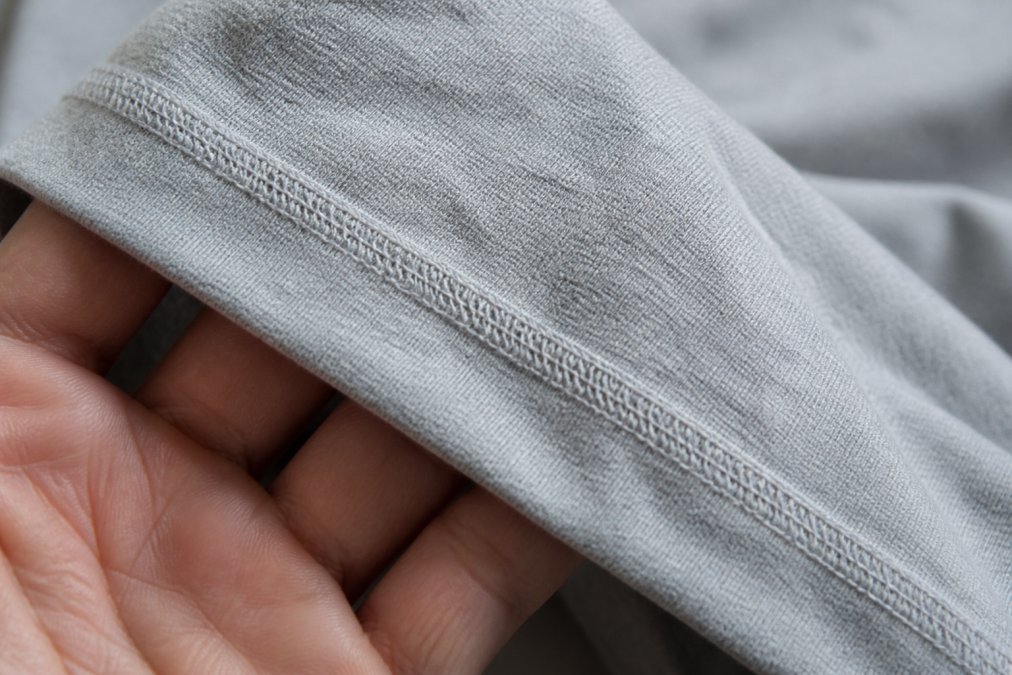
Quality seams determine whether a t-shirt maintains its shape or unravels after a few dozen washes. Examine the seams carefully, they should be straight, evenly spaced, and reinforced at stress points like shoulder seams and armholes.
What to Look for in Seam Quality
Flat-locked seams represent the gold standard in t-shirt construction. This technique interlocks two layers of fabric and thread in a way that distributes stress evenly across multiple threads, preventing seams from splitting or fraying.
Stitch count matters significantly. Higher stitch counts per inch mean more thread holding the seam together. Quality construction typically shows 12-16 stitches per inch (astm.org). Run your fingers along seams while wearing the shirt, you should feel a smooth, flat seam with no protruding threads or rough edges.
Checking Neckline and Hem Integrity
The neckline endures constant friction from wearing and washing. Quality necklines feature reinforced stitching and often include a small tape or binding that prevents stretching and fraying. Examine the neckline closely, it should be perfectly round or symmetrical, with no puckering or waviness.
Hems at the bottom of the shirt and on sleeves reveal construction quality immediately. A well-constructed hem features multiple rows of stitching that lock the fabric securely. Press the hem between your fingers, it should feel firm and stable, not loose or floppy.
How to Prevent Custom Shirts from Fading
Custom designs demand protection from the start. Understanding how to prevent custom shirts from fading becomes essential to preserving your investment in meaningful, conversation-starting fashion.
Dye Fastness and What It Means for Longevity
Dye fastness measures how well color resists fading during washing, exposure to light, and wear. High-quality garments use dyes specifically selected for their fastness properties and apply them using techniques that bond the dye molecules to the fiber structure.
Premium dyes maintain color vibrancy through dozens of wash cycles, while budget dyes fade noticeably after just 5-10 washes. Screen printing with professional inks provides excellent dye fastness for custom designs.
Care Practices That Protect Your Investment
Washing temperature dramatically impacts color longevity. Cold water washing preserves dye molecules far better than hot water. Turn shirts inside out before washing to minimize friction on the printed surface. Air drying preserves color and extends the shirt's lifespan significantly, if you must use a dryer, use the lowest heat setting.
Avoid bleach and oxygen-based cleaners, which break down dye molecules. Use mild detergents designed for colored garments. These practices keep custom apparel looking intentional and fresh.
Practical Steps to Test Cotton Quality Before Buying
Before committing to a purchase, conduct simple tests that reveal fabric quality in just minutes.
The Hand-Feel Test and What It Reveals
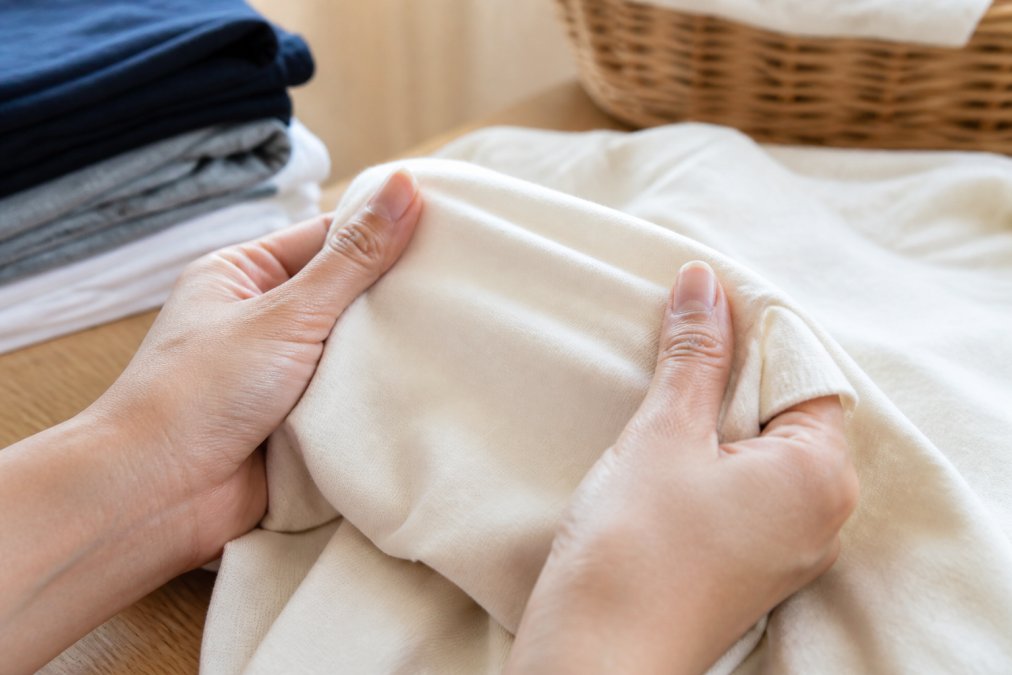
Hold the shirt in your hands and assess the immediate tactile impression. Quality cotton feels smooth, soft, and substantial. Press the fabric between your thumb and forefinger, high-quality cotton compresses and returns to its original shape without creasing permanently.
Stretch the fabric gently. Quality cotton has some elasticity and returns to its original size without distortion. Feel the weight in your hands, appropriately weighted shirts feel confident and well-made.
Checking Fabric Density and Opacity
Hold the shirt up to light and look through it. High-quality fabric should be opaque or nearly opaque. If light passes through easily and the fabric appears translucent, the density is insufficient for a quality garment.
Examine the fabric surface closely under good lighting. You should see a tight, uniform weave with no obvious gaps. Press your fingers against the fabric and feel the resistance, dense, high-quality fabric resists finger pressure noticeably.
Reading Labels for Hidden Quality Clues
The fiber content label provides critical information. Look for 100% cotton, which indicates pure fiber without synthetic blending. Check for GSM information on the label or tag, if it's not listed, ask the retailer or manufacturer for this specification.
Look for country of origin information and care instructions that specify cold water washing and low-heat drying. Manufacturers of quality garments provide detailed care guidance because they expect customers to invest in proper maintenance.
Red Flags That Signal Low-Quality Cotton
Certain indicators immediately suggest a t-shirt won't meet your durability expectations. Synthetic blends with high percentages of polyester reduce breathability and comfort. Extremely low prices relative to competitors warrant skepticism, quality cotton and proper construction cost money.
Thin, translucent fabric that feels flimsy in your hands suggests insufficient GSM and poor durability. Uneven seams with visible gaps, loose threads, or puckering indicate rushed production and predict seam failure. Labels lacking specific information about fiber quality, GSM, or care instructions suggest the manufacturer doesn't prioritize transparency. Visible pilling on a new shirt indicates low-quality fiber or inadequate combing.
Identifying high quality cotton requires attention to fiber selection, construction techniques, and finishing quality. The details that separate premium t-shirts from disposable alternatives, staple length, combing processes, seam construction, dye fastness, and fabric weight, all predict how long your shirt will maintain its appearance and integrity.
When you invest in custom apparel designed to express your identity and spark meaningful conversations, these quality markers become essential. Quality construction ensures your message stays vibrant and your shirt remains a reliable part of your wardrobe for years.
Frequently Asked Questions
How can you tell if cotton is high quality just by looking at it?
High-quality cotton t-shirts show consistent color, tight and even stitching, and smooth fabric without loose threads or pilling. Check the label for staple length (longer is better), GSM weight (typically 150-200+ grams per square meter for durable shirts), and fiber type like Supima or Pima. Feel the fabric, quality cotton feels soft but substantial, not thin or papery. Inspect seams for reinforcement and flat-locked construction rather than simple stitching.
What is the difference between combed and carded cotton?
Combed cotton undergoes an extra processing step that removes short fibers and impurities, resulting in softer, stronger, and more durable fabric that resists pilling. Carded cotton skips this step, making it cheaper but more prone to pilling and fading. For a t-shirt you plan to wear frequently, combed cotton justifies the higher cost because it maintains its appearance and feel through many wash cycles.
How do I know if a custom t-shirt will hold up after washing?
Look for pre-shrunk fabric to avoid unexpected size changes. Check seam construction, flat-locked seams and reinforced stress points indicate durability. Examine the GSM weight; heavier fabric (180+ GSM) resists wear better than lightweight options. Ask about fiber length and whether the cotton is combed. High dye fastness (indicated by quality dyes and proper processing) prevents fading. Request care instructions and follow them exactly, proper washing extends longevity significantly.
Does fabric weight determine the quality of a t-shirt?
Fabric weight (measured in GSM) is one indicator but not the only one. A 200 GSM t-shirt feels substantial and typically lasts longer than a 130 GSM shirt, but weight alone doesn't guarantee quality. Staple length, fiber type, combing process, seam construction, and dye quality all matter equally. A well-made 160 GSM shirt with long-staple combed cotton and flat-locked seams outperforms a poorly constructed 220 GSM shirt.
This article was written using GrandRanker