

Table of Contents
- Why Custom Tshirt Prints Crack in the First Place
- How to Wash Screen Printed Shirts Without Cracking the Design
- How to Dry Custom Apparel to Protect the Print
- Ironing, Bleach, and Fabric Softener: What to Avoid
- Can You Fix a Cracked Print? Repair Tips for Damaged Shirts
- Print Durability by Ink Type: A Quick Reference
- Conclusion
- Frequently Asked Questions
Last Updated: September 10, 2026
Why Custom Tshirt Prints Crack in the First Place
Cracked prints almost always trace back to two culprits: the ink formula, or how the shirt gets washed and dried. This guide walks through what damages screen printed designs and how to keep them looking fresh.
Print cracking is the physical breakdown of the ink layer bonded to fabric, caused by heat, friction, and chemical exposure over repeated wash cycles. (peer-reviewed research) When ink loses its elasticity, it splits along the design's stress points.
Plastisol Ink vs Water-Based Ink: Two Different Fates
Plastisol ink is a PVC-based formula that sits on top of the fabric and cures under high heat (the EPA). It's thick, opaque, and forgiving, which is why it dominates commercial screen printing. Its weakness: it can feel rubbery and, if under-cured, will peel rather than crack.
Water-based ink soaks into cotton fibers instead of sitting on top. The result feels softer and breathes better, but it fades faster and demands more careful washing. Neither ink is "better" outright. The right choice depends on how you plan to wear and wash the shirt.
How Fabric Quality and Cotton Blends Affect Print Durability
Ink needs something to hold onto. A tight cotton weave gives plastisol a stable surface, while loose or heavily synthetic blends let adhesion weaken as fibers shift. High-polyester blends stretch differently than the ink layer, and that mismatch is where cracking often starts.
How to Wash Screen Printed Shirts Without Cracking the Design
Learning how to wash screen printed shirts correctly is the single biggest factor in print longevity. Three habits do most of the heavy lifting: turn the shirt inside out, use cold water, and choose a delicate cycle.
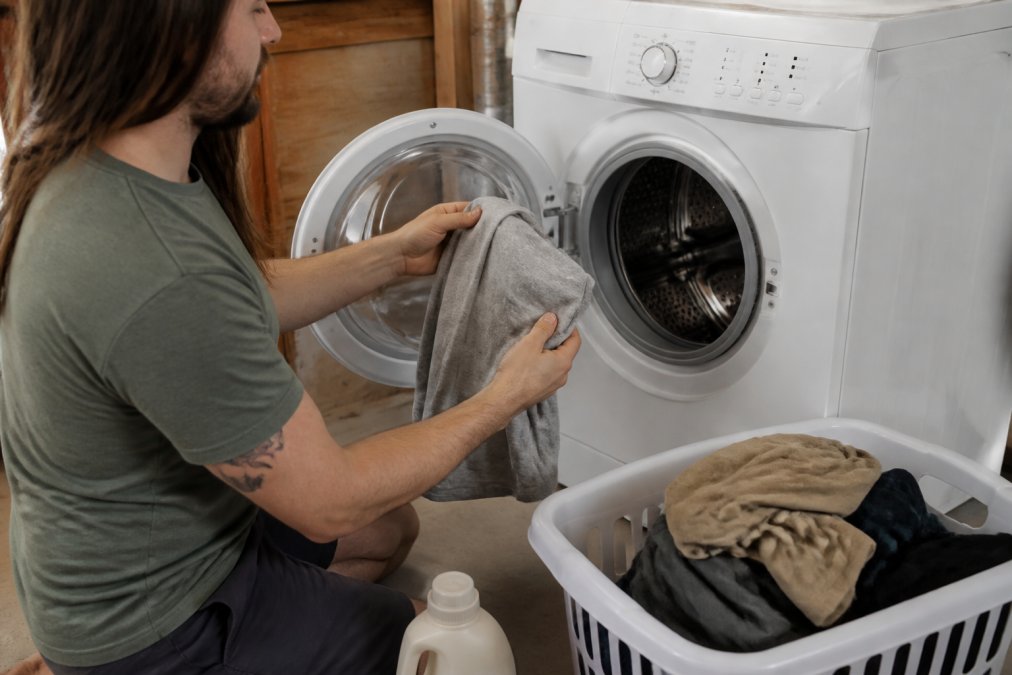
Inside-Out, Cold Water, Delicate Cycle: The Three Rules That Matter Most
- Turn the shirt inside out. This puts fabric, not ink, against the machine drum, cutting fabric friction dramatically.
- Set the temperature to cold. Heat softens ink and speeds up fading. Cold water protects color and elasticity.
- Choose the delicate cycle. Lower agitation means fewer tumbling collisions that stress the print.
- Wash with similar colors and weights. Heavy towels abrade lighter shirts in the same load.
- Skip the overload. A packed drum increases friction on every garment inside it.
Detergent Chemistry 101: What to Use and What to Skip
Detergent residue is a quiet print killer. Powders that don't fully dissolve leave abrasive particles that grind against ink, while cold-water liquid detergents rinse cleaner. Skip bleach entirely, it attacks both dye and ink pigment (the American Dental Association). Fabric softener is the other trap: its waxy film can lift plastisol edges over time, even in small amounts.
How to Dry Custom Apparel to Protect the Print
How you dry custom apparel matters as much as how you wash it. Heat is the enemy, a dryer on high heat can undo months of careful washing in one cycle.
Air Dry vs Machine Dry: What Actually Happens to the Ink
Air drying is safest. Hang the shirt inside out in a shaded spot, sun exposure fades both ink and fabric. If you prefer a machine, use the lowest heat setting and pull the shirt out slightly damp; low heat is a reasonable compromise, high heat is not.
Ironing, Bleach, and Fabric Softener: What to Avoid
Never iron directly over a printed area. If a shirt needs pressing, turn it inside out on a low setting, or place a thin cloth between the iron and the design, direct heat melts and distorts ink, and scorched ink can't be fixed. Bleach and fabric softener belong on the skip list for the same reason: both compromise the ink-to-fabric bond. For shirts you care about, a fragrance-free, dye-free liquid detergent is the safest everyday choice.
| Avoid | Why It Hurts | Better Alternative |
|---|---|---|
| Bleach | Attacks ink pigment and dye | Oxygen-based color-safe booster |
| Fabric softener | Waxy coating lifts ink edges | Wool dryer balls, no softener |
| Direct ironing | Melts and distorts printed ink | Iron inside out on low heat |
| Hot water wash | Softens ink, speeds fading | Cold water cycle |
Can You Fix a Cracked Print? Repair Tips for Damaged Shirts
Most guides stop at prevention, but a lightly cracked print is often salvageable, and the fix depends on which ink you're dealing with. Here's a triage workflow you can run at home.
Step 1: Diagnose the Crack Before You Touch It
Run a fingernail test across the damaged area. Raised, rubbery ink means plastisol; flush, thinning color means water-based or DTG; a plastic film edge lifting at corners means heat transfer vinyl. This diagnosis matters because the wrong repair makes things worse, fabric paint over lifting vinyl, for example, traps moisture and accelerates peeling.
Step 2: Match the Repair to the Ink
Plastisol (screen print): Small hairline cracks respond well to a color-matched fabric marker applied in thin layers, dried fully, then heat-set. For wider splits, a thin coat of fabric paint with a fine brush, heat-set under a pressing cloth, restores coverage. Because plastisol is a thermoplastic, heat can sometimes re-flow minor cracks, but only if the original ink was properly cured. Under-cured plastisol will keep cracking no matter how many times you re-press it.
Water-based and DTG: These inks soak into the fiber, so cracks show as faded or thinning color rather than split rubber. Fabric markers blended lightly work better than paint, which sits on top and looks patchy. Re-curing with heat does little for faded water-based ink, the pigment is bonded into the fiber, not sitting on top.
Heat transfer vinyl: Don't try to paint over lifting vinyl. Instead, place a pressing cloth over the area and apply medium heat with firm pressure for 10-15 seconds to re-activate the adhesive. Let it cool completely before peeling the cloth away. If the vinyl has torn rather than lifted, the repair won't be invisible, but re-adhering the edges stops the peel from spreading.
Step 3: Heat-Set the Repair Correctly
Set your iron to the lowest steam-free setting that still activates your medium. Place a thin cotton pressing cloth between the iron and the design, never iron directly on ink or vinyl. Press 15-20 seconds with steady pressure, then let the shirt cool flat before wearing or washing; the bond sets as it cools, not while it's hot.
Step 4: Know When to Retire the Shirt
Heavy cracking across an entire design, especially after hundreds of hot washes, usually can't be reversed. Once the ink layer has lost elasticity across the whole print, spot repairs just create a patchwork look. The honest move is to demote the shirt to yard work or sleepwear and replace it.
The good news: catching cracks early is the whole game. A single hairline split fixed in five minutes beats a full design rebuild every time. And if you're ready to refresh your rotation with something that holds up, our Nurses, Teachers, Patriotic, and Funny Fun Tshirts collections are designed to last.
Print Durability by Ink Type: A Quick Reference
Different inks need different care routines, and the differences are bigger than most laundry guides admit. Here's how the three main decoration methods behave.
| Factor | Plastisol (Screen Print) | Water-Based / DTG | Heat Transfer Vinyl |
|---|---|---|---|
| How it bonds | Sits on top of fabric, cured under high heat | Soaks into cotton fibers | Plastic film adhered with heat-activated glue |
| Feel | Thick, slightly rubbery | Soft, flush with fabric | Noticeable film, can feel stiff on large areas |
| Wash temperature | Cold recommended | Cold, essential | Cold, essential |
| Drying method | Air dry preferred; low heat acceptable | Air dry strongly preferred | Air dry only, heat re-activates the adhesive |
| Main failure mode | Peeling or cracking if under-cured | Fading and gradual thinning | Lifting at edges, especially corners and thin strokes |
| Repairable? | Sometimes, via heat re-flow or fabric paint | Rarely, faded pigment can't be restored | Yes, if edges are re-pressed before peeling spreads |
| Best for | Bold, high-contrast designs | Vintage, breathable looks | Names, numbers, small graphics |
Why the Ink Type Changes Your Whole Care Routine
Each failure mode has a different mechanism, which is why a one-size-fits-all laundry routine doesn't work.
Plastisol is a thermoplastic. Repeated heat cycles break down the cross-linked structure that gives it elasticity, and once that fails, the ink splits along the design's stress lines. Because it's thermoplastic, properly cured plastisol can sometimes be re-flowed with heat, but under-cured plastisol will crack no matter how gently you wash it.
Water-based and DTG inks penetrate the cotton fiber rather than sitting on top, so they feel soft and breathe well, but the pigment is exposed to every wash at the fiber level. Detergent enzymes and surfactants designed to lift stains out of cotton will also lift pigment out over time. That's why DTG prints fade rather than crack, and why cold water and a gentle, dye-free detergent matter even more here.
Heat transfer vinyl is a plastic film, not an ink. Its weak point is the adhesive layer, which softens every time it gets hot. A hot dryer cycle re-activates the glue, letting edges lift and curl; once an edge lifts, wash friction peels it further. Vinyl prints should never see a hot dryer, air drying is the difference between a print that lasts two years and one that lasts two months.
A Quick Rule of Thumb
If you don't know what ink your shirt uses, default to the most conservative routine: inside out, cold water, delicate cycle, liquid dye-free detergent, air dry. That protects plastisol, water-based, DTG, and vinyl prints alike. Only properly cured plastisol screen prints tolerate a little more heat, and even those last longer with the gentle approach.
When you're stocking up on tees for your Senior, Retired, Country Music Lovers, Jewish, or Christian crews, knowing the ink type behind the design is the best predictor of how long the print will survive. Our team at Totally Terrific Tshirts crafts designs with durability in mind, so every design, from a nurse's inside joke to a patriotic statement, is made to survive the wash cycle, not just the first wear.
Conclusion
Print cracking isn't random bad luck. It's the predictable result of heat, friction, and the wrong detergent, all within your control. At Totally Terrific Tshirts, we build our designs to spark conversations, whether that's a nurse's inside joke, a patriotic statement, or a funny fun tshirt that gets a laugh at every cookout. Our apparel is crafted with intention, and free shipping on orders over $75 makes it easy to stock up for your whole crew.
Ready to wear something worth talking about? Browse our full collection at totallyterrifictshirts.com and find the design that speaks for you.
Frequently Asked Questions
How can I prevent designs from cracking on my t-shirts?
Wash your custom tshirts inside out in cold water on a delicate cycle, and avoid harsh detergents, bleach, and fabric softener. Skip the dryer or use low heat, and never iron directly over the printed area. These habits reduce the fabric friction and heat exposure that cause cracked prints over time. Choosing shirts with quality ink and fabric gives you a stronger starting point.
Does heat drying cause custom t-shirt designs to crack?
Yes. High heat in a tumble dryer makes plastisol ink brittle and causes the fabric to shrink and stretch, which pulls the print apart. Water-based inks are especially vulnerable because they sit closer to the fabric surface. Use low heat if you must machine dry, or air dry your custom apparel to keep the print flexible and intact for far longer.
Can you fix a cracked print on a t-shirt once it starts?
You can slow further cracking, but you cannot fully restore a cracked print. Try ironing the shirt inside out on low heat with parchment paper over the design to press minor lifts back down. For small cracks, a fabric marker in a matching color can disguise the damage. The best fix is prevention: proper washing and drying from day one keeps prints from reaching that point.
Are there specific detergents that help preserve custom apparel?
Choose a mild, liquid detergent without bleach or fabric softener. Free-and-clear formulas work well because they lack dyes and harsh additives that leave detergent residue on the print. Powder detergents can be abrasive on plastisol ink. Use the recommended amount, not more, since excess detergent builds up on fabric and weakens ink adhesion over repeated wash cycles.